Fort Lauderdale Water Damage Restoration
IICRC-certified crews serving Fort Lauderdale’s canal neighborhoods, finger isles, and inland communities — saltwater protocol for king tide events, full Cat 3 response for the April 2023-type events, and everyday plumbing failures across Victoria Park, Rio Vista, Las Olas Isles, and all of Broward County.
Why Call Us First?
- →April 2023 extreme rainfall veterans
- →60-min to Victoria Park & Las Olas Isles
- →Cat 3 saltwater + king tide protocol
- →Fortify Lauderdale area documentation
- →$1.6B seawall corridor specialists
- →All Broward County carriers accepted
Quick Answer
The Florida Restoration Pros provides 24/7 emergency water damage restoration in Fort Lauderdale, FL — with specialized saltwater protocol for king tide flooding in Victoria Park, Las Olas Isles, and the Southeast Isles, and full Category 3 response for stormwater events like the April 12, 2023 flood that dropped 25.91 inches in 12 hours and triggered a state of emergency. Call (954) 636-6057 now.
April 12, 2023: The 1-in-1,000-Year Event That Changed Fort Lauderdale
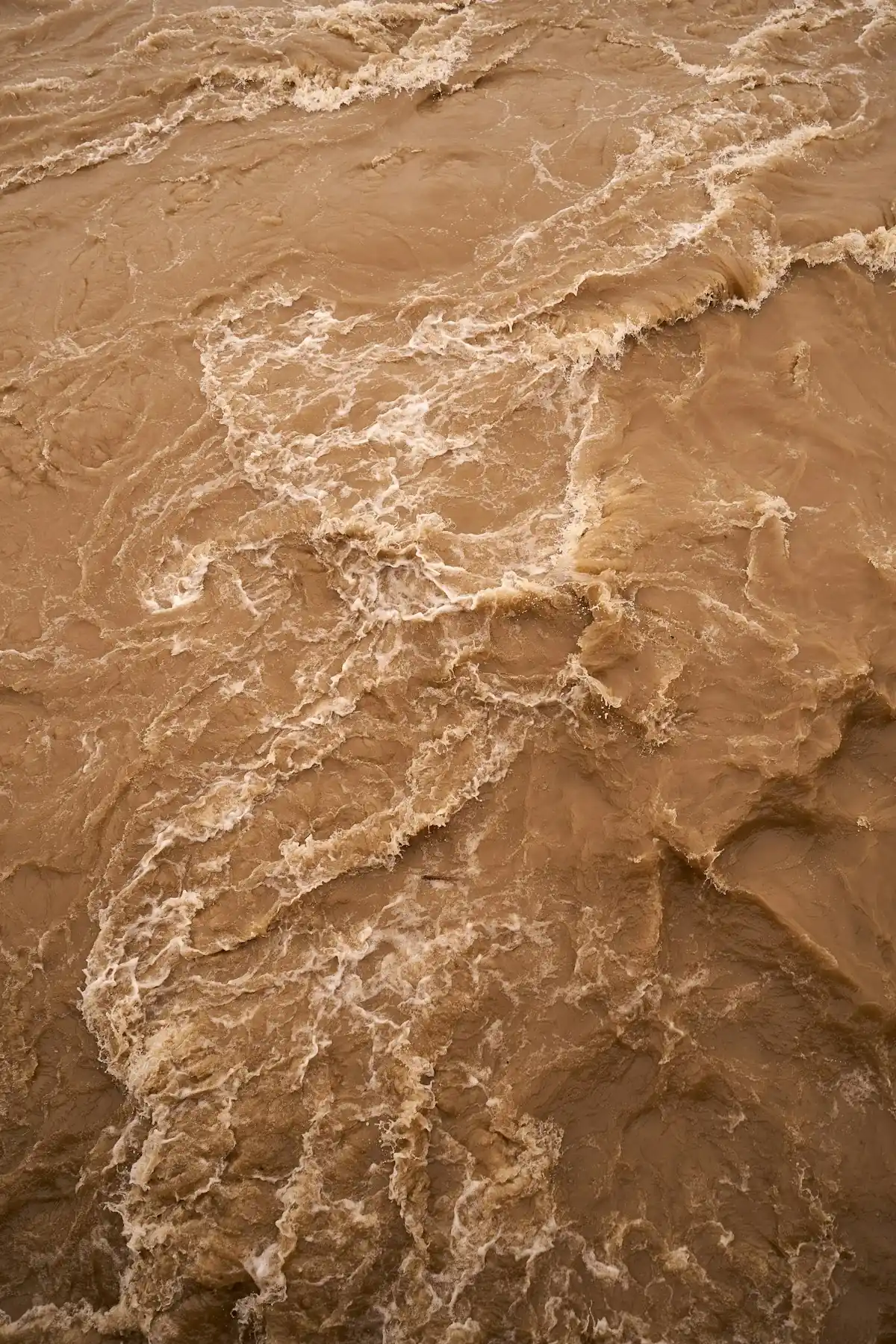
On April 12, 2023, a stalled upper-level low brought approximately 25.91 inches of rain to Fort Lauderdale in roughly 12 hours. To put that in context: Fort Lauderdale averages 61.9 inches of rain per year. The city received nearly half its annual rainfall in a single day. The event is estimated to have been a 1-in-1,000-year occurrence by probability. Fort Lauderdale-Hollywood International Airport closed. I-595 flooded. Cars were submerged on streets throughout the city.
The neighborhoods most severely affected were low-lying areas near the New River, the Intracoastal Waterway, and the city’s 300+ miles of canals: Victoria Park, Rio Vista, the finger isles along the Intracoastal (Seven Isles, Las Olas Isles, Southeast Isles, Lauderdale-by-the-Sea waterfront), and inland residential streets where stormwater drainage was overwhelmed. The water that entered homes in this event was stormwater — Category 3 contaminated water under IICRC S500 — because urban stormwater carries sewage backup, automotive fluids, lawn chemicals, and other contaminants. All porous materials (drywall, insulation, flooring, carpet) in contact with that water must be removed, not dried.
The April 2023 event accelerated Fort Lauderdale’s Fortify Lauderdale infrastructure program — the approximately $1.6 billion investment in seawall upgrades, stormwater improvements, and the approximately 200 tidal valves already installed in the drainage system. But infrastructure improvements operate on multi-year timelines. Fort Lauderdale properties remain at elevated flooding risk today.
Fort Lauderdale’s Two Flood Regimes
Extreme Rainfall Events
April 12, 2023 — 25.91" in ~12 hours
Category 3 stormwater. Overwhelms drainage citywide. All porous materials must be removed. Affects all neighborhoods regardless of elevation.
King Tide / Tidal Saltwater
Sep 2025 — 41 events above nuisance threshold
Predictable fall tidal events push saltwater up through stormwater drains. Primarily affects finger isles, Victoria Park, and low-lying canal properties. Saltwater protocol required.
Saltwater Damage Protocol
King tide saltwater requires steps beyond standard freshwater restoration:
- ✓Category 3 contamination protocol
- ✓Salt crystal removal from concrete surfaces
- ✓Extended desiccant drying (salt is hygroscopic)
- ✓Metal component corrosion assessment
- ✓HVAC unit flushing and inspection
- ✓Long-term moisture monitoring after drying
Fort Lauderdale Neighborhoods — Water Damage by Area
Victoria Park
Primary risk: Tidal saltwater + April 2023 stormwater
Sits adjacent to the Intracoastal and receives saltwater during king tide drain events. Also heavily affected by April 2023. Mix of 1960s-1970s ranch homes and newer construction — all at low elevation west of the Intracoastal.
Las Olas Isles / Seven Isles / Southeast Isles
Primary risk: Canal-front: tidal + saltwater corrosion
Fort Lauderdale's most celebrated finger isles are surrounded by tidal canals. Saltwater enters garage floors, elevator pits, and landscaping drainage during king tides. Marine-environment corrosion of plumbing and HVAC is accelerated by constant salt air. These are high-value properties with complex insurance and HOA claim dynamics.
Rio Vista
Primary risk: New River flooding + stormwater
Historic Rio Vista borders the New River on the west. River flooding affects the western edge during major rain events. The neighborhood's 1920s-1940s Mediterranean Revival and Mission homes contain original construction that requires careful moisture documentation for historic fabric preservation.
Lauderdale-by-the-Sea
Primary risk: Beach-front + tidal + salt air
Ocean-side properties face Atlantic surge from tropical systems. Seawater is the most corrosive form of water intrusion and requires the same extended desiccant drying and salt removal protocol as king tide events. High-value oceanfront properties require specialty contents and structural documentation.
Wilton Manors / Oakland Park
Primary risk: Stormwater flooding + older plumbing
Inland from the Intracoastal, these communities received heavy flooding during April 2023. 1950s-1970s housing stock with aging galvanized and CPVC supply lines. Lower elevation areas along Middle River are in Zone AE flood areas.
Coral Ridge / Imperial Point
Primary risk: Canal + tidal
Coral Ridge waterfront properties on the Intracoastal face the same tidal saltwater flooding as Las Olas Isles. Inland Coral Ridge and Imperial Point homes are at risk from the area's high water table and stormwater drainage system flooding during extreme events like April 2023.
Our Fort Lauderdale Restoration Process
60-Min to All Ft. Lauderdale Areas
Victoria Park, Rio Vista, Las Olas Isles, Seven Isles, Southeast Isles, Wilton Manors, Oakland Park, Coral Ridge — 60-minute dispatch target 24/7.
Source & Salt Assessment
Saltwater vs. freshwater source confirmed. King tide events: salt mapping of all affected concrete and masonry. Stormwater events: Cat 3 containment established.
Desiccant Drying + Salt Removal
Extended desiccant cycles for saltwater events. Salt crystal removal from concrete before rebuilding. Corrosion assessment on metals and HVAC. Daily moisture readings until complete.
NFIP + Flood Documentation
Many Ft. Lauderdale finger-isle properties are in Zone AE requiring NFIP flood documentation. Saltwater source vs. freshwater pipe failure clearly established. Xactimate scope. Fortify Lauderdale program context noted where relevant.
Fort Lauderdale Water Damage FAQ
What caused the April 12, 2023 Fort Lauderdale flood?+
What are king tides and how do they damage Fort Lauderdale homes?+
How is saltwater damage different from freshwater water damage?+
What is the Fortify Lauderdale program and what does it mean for homeowners?+
This page was researched and produced in support of Brain b32bfc21 — The Florida Restoration Pros content development initiative. NAP: 200 E Las Olas Blvd, Ste 1000, Fort Lauderdale, FL 33301 · (954) 636-6057.
Water damage in Fort Lauderdale? King tide, flood, or pipe — 24/7.
Victoria Park, Las Olas Isles, Rio Vista, Seven Isles — saltwater specialist crew on call around the clock.
☎ (954) 636-6057 — Available 24/7