Tampa Water Damage Restoration
IICRC-certified crews serving Tampa’s surge zones, historic neighborhoods, and aging housing stock — 60-minute response to Davis Islands, Hyde Park, Seminole Heights, Bayshore, and all surrounding communities.
Why Call Us First?
- →Zone A/B mandatory evacuation coverage
- →60-min response to Davis Islands & Hyde Park
- →Cat 3 surge water specialists
- →NFIP + private flood documentation
- →Idalia/Milton certified response team
- →All Hillsborough County carriers accepted
Quick Answer
The Florida Restoration Pros provides 24/7 emergency water damage restoration in Tampa, FL — targeting 60-minute response to South Tampa, Davis Islands, Hyde Park, Seminole Heights, Bayshore, Channelside, Palma Ceia, and Ballast Point. Tampa is among the most surge-vulnerable metros in the country per the Karen Clark & Company 2015 catastrophe model (~$175B potential loss). Idalia (2023) flooded Davis Islands and Bayshore. Milton (2024) triggered mandatory evacuations. Call (813) 212-5279 now.
What Idalia and Milton Revealed About Tampa’s Water Damage Risk
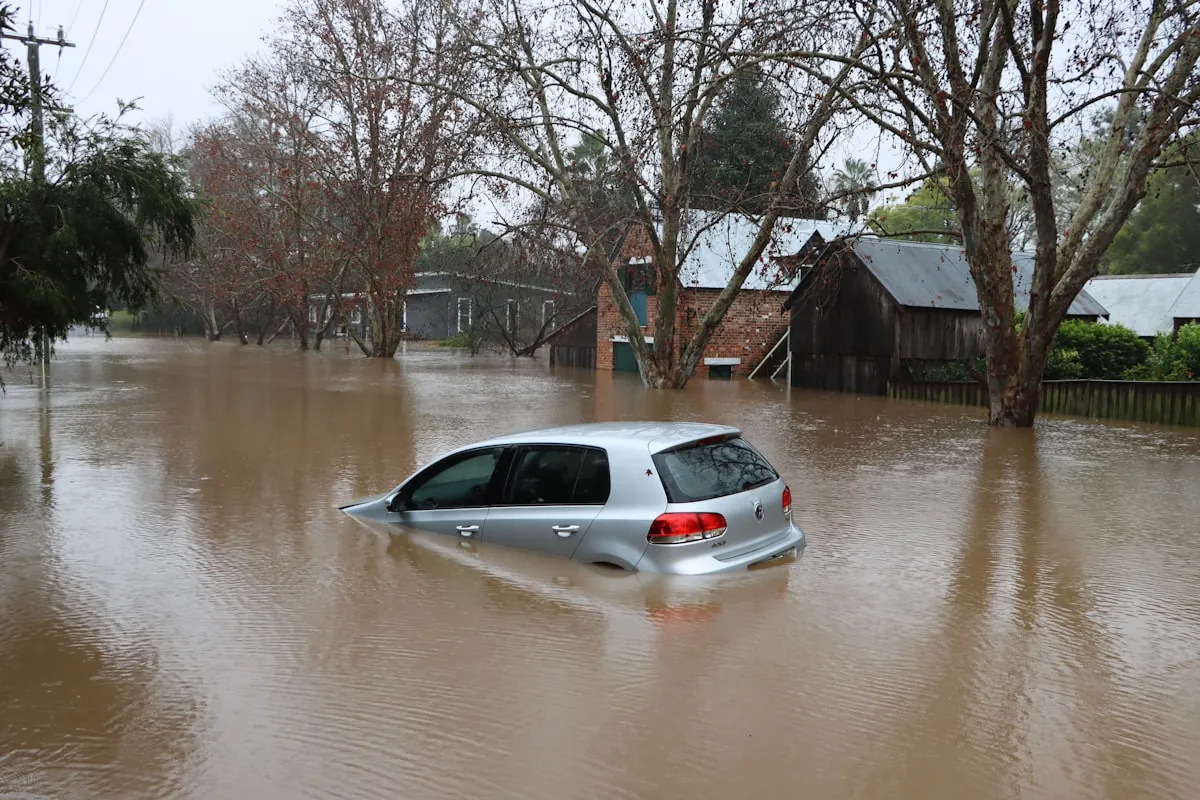
Hurricane Idalia made landfall at Keaton Beach on August 30, 2023 — well over 100 miles north of Tampa Bay. But the city still flooded. Davis Islands, Harbor Island, and Bayshore Boulevard were inundated as surge pushed through Hillsborough Bay. Flood-level photos from Bayshore circulated nationally. This is the Tampa paradox: a storm doesn’t need to hit the city directly to cause major water damage, because the bay’s shallow funnel shape amplifies surge from any storm tracking toward the Gulf Coast.
Hurricane Milton in October 2024 triggered mandatory evacuation orders across Zone A (which includes Davis Islands) and Zone B (which covers most of South Tampa, Harbor Island, and Channelside). Residents of Hyde Park, Palma Ceia, and Ballast Point — neighborhoods built on low-lying ground between the bay and Hillsborough River — were included in evacuation zones. Properties that experience storm surge flooding face Category 3 water — grossly contaminated stormwater — which requires full professional containment, removal of all affected porous materials, and HEPA filtration. No amount of household cleanup is adequate.
The Karen Clark & Company 2015 catastrophe model estimated Tampa Bay’s maximum surge loss at approximately $175 billion — the highest figure of any U.S. metro at the time. That estimate reflects what happens when a major storm makes a direct-track landfall into the bay. Every professional in the water damage restoration industry operating in Tampa understands that this is not a question of if but when.
Tampa’s Water Damage Risk by Zone
Zone A (Highest Surge Risk)
Davis Islands, Harbor Island, MacDill AFB perimeter
Direct surge from Hillsborough Bay. Mandatory evacuation Cat 2+.
South Tampa / Hyde Park
Bayshore Blvd, Palma Ceia, Ballast Point
Sea-level neighborhoods. Surge floods Bayshore. Aging 1920s-1950s plumbing.
Seminole Heights
Old Seminole Heights, Southeast Seminole Heights
Flash flood basin. ~$39M stormwater project (2025) improving but not solved. Old galvanized pipe.
Channelside / Downtown
Water Street, Sparkman Wharf
High-rise pipe failures + new construction plumbing warranty claims.
Ybor City / East Tampa
7th Ave corridor, historic district
Pre-1940 housing stock. Aging cast-iron drain lines. Basement-style foundation flooding.
Tampa Neighborhood Water Damage — What We See
Water damage in Tampa isn’t uniform. Each neighborhood has a distinct risk profile shaped by its elevation, construction era, drainage infrastructure, and proximity to the bay or river. Here’s what our technicians encounter most often in each area.
Davis Islands & Harbor Island
Most common: Storm surge — Cat 3
Both islands sit at or below 5 feet elevation with the bay on all sides. Idalia (2023) flooded streets. Any Gulf storm tracking northeast floods these islands first. Surge water is Category 3 (grossly contaminated) — all flooring, drywall, insulation must be removed, not dried in place.
Bayshore Boulevard & South Tampa
Most common: Surge + aging plumbing
The Bayshore seawall dates to the 1930s. When surge overtops it, South Tampa properties flood. Away from the water, 1920s-1960s homes in Palma Ceia and Ballast Point have aging galvanized supply lines that fail silently inside walls — the most common non-storm water damage call in the area.
Hyde Park
Most common: Internal plumbing — Cat 1/2
Hyde Park's Victorian and Craftsman bungalows are beloved but old. Original cast-iron drain lines, galvanized supply lines, and clay sewer laterals are all past their useful lives. Slow leaks inside walls go undetected until mold is visible. Full wall cavity opening and drying is typically required on older homes.
Seminole Heights
Most common: Flash flooding + old plumbing
Old Seminole Heights sits in a drainage basin that receives runoff from a large surrounding area. The ~$39M Hillsborough County stormwater improvement project (announced 2025) acknowledges the chronic flooding problem. Until improvements are complete, properties on low lots remain at high flash flood risk. Pre-war housing stock also generates regular plumbing failure calls.
Channelside & Water Street
Most common: High-rise pipe failures
Tampa's new downtown construction is high-quality but high-rise water events are high-volume: a single pipe failure on a 20th-floor unit can affect multiple floors simultaneously. We coordinate with building management and HOA boards for multi-unit drying and provide separate documentation for each affected unit.
Carrollwood, New Tampa & Brandon
Most common: Internal plumbing + slab leaks
Inland suburban Tampa features large tract-built homes from the 1980s-2000s with CPVC and polybutylene supply lines. Both materials degrade in Florida's hard water and heat. Slab leaks — supply line failures beneath the concrete foundation — are the most common call from Carrollwood, New Tampa, and Brandon.
Tampa-Specific Water Damage Services
Hurricane Surge Cleanup (Cat 3)
All Idalia- and Milton-type surge events are Category 3 (grossly contaminated). Full containment, negative air pressure, removal of all porous materials in the flood zone. NFIP and private flood policy documentation included.
Emergency Extraction — 60 Min
Truck-mounted extractors dispatched within minutes. 60-minute target to Davis Islands, Hyde Park, South Tampa, Seminole Heights, and all surrounding Tampa neighborhoods.
Slab Leak & Hidden Pipe Drying
Common in Carrollwood, Brandon, and New Tampa tract homes. Thermal imaging locates slab leak moisture under tile and wood floors. Injectidry cavity drying systems reach moisture without full demolition when Cat 1.
Historic Home Water Damage
Hyde Park and Seminole Heights Craftsman bungalows require non-destructive drying approaches where possible. We understand old-growth wood, plaster walls, and cast-iron drain lines — and document everything for maximum insurance recovery.
Structural Drying — IICRC S500
Industrial LGR and desiccant dehumidifiers sized for Tampa's 74% average humidity. Daily psychrometric readings. FLIR thermal imaging confirms complete drying in structural cavities before equipment is removed.
Mold Remediation Post-Surge
Tampa's heat + humidity means mold colonizes Cat 3 flood zones in 12–24 hours. AMRT-certified containment and remediation for any property that wasn't professionally dried within 48 hours of a water event.
Tampa Insurance: Surge vs. Sudden & Accidental
The most important insurance distinction for Tampa homeowners is the line between storm surge / rising floodwater (excluded from standard HO policies) and sudden and accidental internal water damage (covered). When Bayshore floods and water enters your home from outside, that is a NFIP or private flood claim — not a homeowner claim. When your water heater fails and floods your garage, that is a homeowner claim.
The distinction matters enormously after a hurricane like Idalia or Milton: many Tampa homeowners are in FEMA Zone AE (Special Flood Hazard Area) where flood insurance is required by mortgage lenders, but coverage gaps are still common. Zone AE includes Davis Islands, Harbor Island, and much of South Tampa below 8 feet elevation. Homeowners outside Zone AE often carry no flood coverage at all, despite living in areas that flooded during Idalia.
Our technicians document all damage in formats acceptable to both standard carriers and NFIP adjusters. Mitigation (emergency loss-prevention work) and restoration (rebuild to pre-loss condition) are documented separately — a critical distinction that maximizes Replacement Cost Value recovery under both policy types.
Tampa Insurance Documentation
- ✓Source determination: surge vs. pipe failure vs. roof leak
- ✓NFIP-compliant damage documentation for Zone AE properties
- ✓Xactimate scope for standard homeowner claims
- ✓IICRC Category 1–3 and Class 1–4 determination in writing
- ✓Thermal imaging + moisture meter readings at every surface
- ✓Separate mitigation vs. restoration line items
- ✓Adjuster direct communication + supplement support
Post-surge or pipe failure in Tampa?
60-minute response. Documentation starts on arrival.
(813) 212-5279Tampa Water Damage FAQ
Why is Tampa considered one of the most surge-vulnerable cities in the US?+
What did Hurricane Idalia 2023 do to Tampa neighborhoods?+
Does the $39 million Seminole Heights stormwater project mean flooding is solved there?+
Does my Tampa homeowner insurance cover surge flooding from a hurricane?+
How fast can you reach Hyde Park or Davis Islands after a water emergency?+
This page was researched and produced in support of Brain b32bfc21 — The Florida Restoration Pros content development initiative. NAP: 100 S Ashley Dr, Ste 1750, Tampa, FL 33602 · (813) 212-5279.
Water damage in Tampa? Surge or pipe — we respond 24/7.
Davis Islands, Hyde Park, Seminole Heights, Bayshore — 60-minute response across all Tampa neighborhoods.
☎ (813) 212-5279 — Available 24/7